Confidential, evidence-based care designed for adults in high-pressure roles whose work depends on privacy. Led by Dr. Arnold M. Washton, a widely-recognized addiction specialist since 1975.
You've built a successful career. You manage teams, close deals, and make high-stakes decisions every day. But your relationship with alcohol, or other substances, has become harder to manage. You've tried cutting back on your own. Sometimes it works for a while. Then it doesn't.
You don't see yourself as an "alcoholic." You don't want to go to AA meetings. You certainly don't want anyone at work to find out. And the idea of giving up drinking entirely feels drastic, or at least premature.
If this sounds familiar, you're not alone. And you're exactly the kind of person we specialize in helping.

The full spectrum of alcohol disorders ranging from problematic drinking to full-blown alcohol dependence and physical addiction.
Specialized expertise in treating executives and professionals who maintain careers while struggling with alcohol or other drugs.
Structured programs for those seeking to reduce drinking rather than quit entirely.
Evidence-based relapse prevention for those seeking to maintain abstinence over the long-term.
Help for those who may not drink daily but engage in problematic patterns when they do drink.
Integrated treatment for alcohol problems co-occurring with anxiety, depression, or other mental health concerns.
Treatment decisions are based decades of research and clinical experience, not on ideological assumptions and beliefs. What actually works matters more than what's traditional.
We work together with you to determine whether moderation or abstinence is the right choice. Treatment supports your goals, not someone else's agenda.
Your confidentiality is foundational to the care we provide. As a private, self-pay practice, records stay within the practice. There are no insurance databases or employer notifications involved. All care is HIPAA-compliant.
Including cognitive behavioral therapy, motivational interviewing, and supportive medications when appropriate, such as GLP-1 agonists and other anti-craving medications.
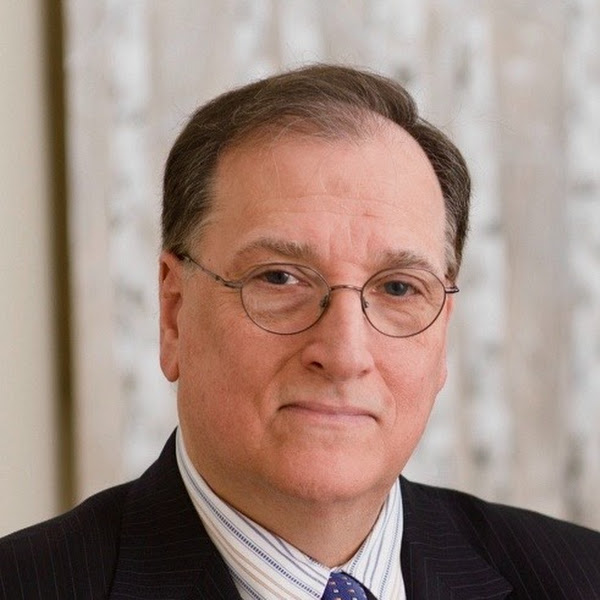
Addiction Psychologist | Author
Dr. Arnold Washton is a nationally recognized addiction psychologist who has dedicated his career to treating substance use disorders with a particular focus on the special needs of executives and professionals. His approach combines decades of clinical experience with evidence-based strategies and techniques.
Dr. Washton has been at the leading edge of expanding treatment options to include moderation and harm reduction as alternatives to traditional abstinence-only approaches. His professional experience includes serving as Clinical Professor of Psychiatry at NYU School of Medicine, advisor to the U.S. FDA, and consultant to major corporations and professional sports teams.
Most substance use treatment in the United States follows a model that assumes the patient can step out of their life for a while. Inpatient rehab is 28 to 90 days residential. Intensive outpatient is three to five evenings a week for weeks or months. State physician and lawyer assistance programs come with monitoring requirements that run for years.
For a senior executive running a division, closing a major deal, or managing a team, the practical implications are often unworkable. Taking 30 days out of your role triggers questions that are hard to answer. Attending meetings at the same hospital where you sit on a board creates exposure you cannot contain. Entering a state professional assistance program creates a regulatory record that can affect licensing, employment, and insurance for years.
Private-practice psychology is structured differently. Self-pay records stay with the clinician. There is no insurance claim, no shared database, no employer notification. Telehealth removes the issue of being seen entering a therapist's office. Sessions are individual, not group. The work is matched to your specific situation, not to a standardized program.
For a complete clinical breakdown of the support options actually available to executives, including private-practice consultation, ongoing therapy, medication support, moderation-based approaches, and when more intensive intervention is appropriate, read our in-depth guide:
Substance Use Support for Executives: A Guide to the Options Actually Available →For NYC executives and professionals specifically, a clinical look at the episodic-binge drinking pattern that puts attorneys, physicians, and senior leaders at career and reputational risk:
Heavy Drinking Among NYC Executives and Professionals →Not if you use private-practice care, pay out of pocket, and avoid employer-sponsored programs. Self-pay private-practice records stay with the clinician. There is no insurance claim, no shared database, no employer notification. The privacy infrastructure exists; it has to be deliberately used.
No. Many of our patients work toward moderation rather than complete abstinence. Whether moderation is appropriate depends on severity, history, and the specific pattern. The clinical assessment determines what fits, not a predetermined program goal.
Most sessions are telehealth. Standard appointments are 50-60 minutes, weekly initially, often less frequent as the situation stabilizes. Your calendar shows blocked time, not the appointment. In-person sessions are available at the Princeton office by appointment.
A 60-90 minute confidential conversation with Dr. Arnold or Dr. Lori Washton. The consultation establishes the clinical picture, identifies realistic options, and leaves the decision about next steps in your hands. It commits you to nothing.