Contact Us

A Female Therapist for Central NJ Women

Private psychological care for central New Jersey women, substance use, perimenopausal drinking, anxiety, trauma history, and the family-system patterns that often run alongside them. Princeton office available by appointment, telehealth across NJ and PSYPACT states.

A Different Kind of Practice for Central NJ Women

If you are a Princeton-area woman searching for a female therapist, the central NJ market is smaller than you might think once you look closely. The big telehealth platforms match by availability rather than fit. The local psychiatry directories tilt toward medication-first approaches and male clinicians. Many of the female therapists in the area are excellent generalists but are not specifically equipped for the patterns that bring women into treatment in their thirties, forties, fifties, and beyond, particularly when substance use is part of the picture.

What many central NJ women are looking for is what we do: a private, doctorate-level female psychologist who has spent 25 years working with women whose presenting issues are tangled together. The drinking that started as a coping tool and became its own problem. The anxiety that has gotten worse around perimenopause. The depression that lifts and returns and lifts again. The trauma history that keeps surfacing in places that should be unrelated. The marriage that has reorganized itself around someone else's addiction.

We see central NJ patients at our Princeton office and over Zoom, depending on what fits. Many start in person and shift to a mix of formats as the work progresses. Others prefer telehealth from the start. The format is a clinical decision, not a logistical default.

Who We Treat in Central New Jersey

Pharma, Healthcare & Academic Professionals

Women in the senior ranks of the central NJ pharmaceutical industry, academic medicine, and Princeton-corridor research environments. The drinking pattern that started as a way to wind down from intense days has stopped being optional and has begun creating consequences. Privacy and discretion matter, and the practice is built around women who are not used to asking for help.

Women in Their 40s and 50s

Perimenopause changes the relationship to alcohol for many women. Sleep gets worse, anxiety gets sharper, and the same two glasses of wine that used to feel manageable now produce hangovers that take three days to clear. Drinking that was always controlled stops being controlled in a specific, hormonal, identifiable pattern. More on drinking problems after 50 →

Wives, Mothers & Family Members of Someone with an Addiction

Women whose own lives have been reorganized around a husband, child, or parent's addiction. The exhaustion, anxiety, and self-erasure that come with this position have specific clinical patterns and benefit from individualized work, not generic codependency-recovery framing. More on how to help a spouse with an addiction →

Women with a Trauma History

Women whose drinking, anxiety, or relationship patterns connect back to early or sustained trauma. This work is paced carefully, pulled toward what is workable in the present, and conducted in a way that does not retraumatize. A female clinician at the start of this work matters for many patients in this category.

Office or Telehealth, Why Both Have a Place

Central NJ patients have an advantage that NYC patients largely do not: the Princeton office is genuinely accessible, not a thirty-block trip with three subway transfers. Many patients use that and prefer the structure of an in-person hour.

Telehealth has a different set of advantages. It removes the building-lobby and waiting-room exposure that some patients find inhibiting. It accommodates the schedules of women who are running pharma teams, raising kids, or managing their own healthcare practice. It allows for sessions when traveling, which matters for the corporate side of central NJ.

Most central NJ patients use a mix. Some weeks the office is the right call. Other weeks Zoom is. The format is a clinical decision worked out with each patient, not a one-size choice imposed at the start.

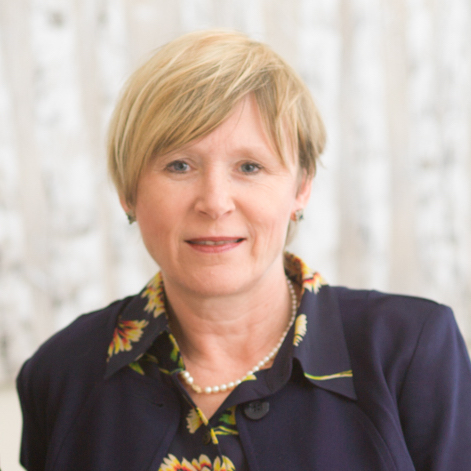
Dr. Lori Washton, Clinical Psychologist

Dr. Lori Washton

Clinical Psychologist · Women's Treatment Specialist

For 25 years, Dr. Washton has worked with women across the full range of clinical issues that bring them into treatment. Her practice specializes in women's substance use, the alcohol patterns that emerge in the perimenopausal years, women's anxiety and trauma history, and the family-system positions that often surround a woman's own struggle. She works most often with high-functioning women whose drinking has become the way they manage everything but is no longer working.

She is licensed to practice psychology in New Jersey and New York, authorized for telepsychology in most PSYPACT states, and listed in the Psychology Today directory.

"For many women, the drinking is the visible problem but not the whole problem. The work is figuring out what the drinking has been doing for you, and what could do that work better."

More for Women

Schedule a confidential consultation: