Private psychological care for central New Jersey adolescents and young adults, substance use, anxiety, depression, ADHD, and the pressure of high-achievement academic environments. Princeton office available by appointment, telehealth across NJ.
If you are a central NJ parent looking for help with your teenager's substance use or mental health, you have probably already found that the obvious options do not fit. The big telehealth platforms like BetterHelp and Talkspace assign whoever is available, often someone who has never specifically worked with substance-using adolescents. The local hospital and outpatient programs are intake-heavy, slow, and often inappropriate for the level of issue you are facing. The school-recommended therapists may be excellent generalists but are not always equipped for the substance-use piece.
What central NJ families actually need is what we do: a private, doctorate-level psychologist who has spent 25 years working specifically with adolescents and young adults. Princeton-area families know the type of teen we treat. The honor-roll student whose parents only learned about the vape pen after the school dean called. The college freshman home for fall break who has come back different. The high-achieving sibling of a sibling who already burned out. The teen whose anxiety is being self-medicated through weed every night.
We see central NJ teens at our Princeton office and over Zoom, depending on what fits. Many start in person and shift to telehealth after the first month. Others prefer Zoom from the start. The format is a clinical decision, not a logistical default.
Princeton Day, Lawrenceville, Hun, Stuart Country Day, Peddie, Pingry, and the surrounding NJ independent school families. The combination of academic intensity, peer-group expectations, and the alcohol-and-weed culture that runs through these schools produces a specific clinical pattern that benefits from a clinician who knows what these communities are actually like.
High-achieving NJ public school districts where AP course loads, college admissions pressure, and the academic-achievement culture combine into the kind of background anxiety that often gets self-medicated. Telehealth from home fits these family schedules in a way clinic-based care never could.
Princeton, Penn, Rutgers, and the rest of the schools NJ teens commonly attend. Every fall break, winter break, and summer we get calls from central NJ parents whose college student has come home different. More on college students with substance issues →
Working-professional and pharma-industry parents whose teens are dealing with substance use, anxiety, ADHD, or family conflict. The Princeton office is convenient for in-person sessions; telehealth fits the families with longer commutes and tighter schedules.
Some parents assume that "real" therapy has to happen in an office. With teenagers, the opposite is often true.
A teenager who has to leave Lawrenceville at 4pm, sit in traffic on Route 1, see a therapist for fifty minutes, and then drive home is going to be exhausted, irritable, and resentful by the time they walk into the office. That is not the version of them you want a clinician working with.
A Zoom session from their bedroom, with the door closed, on their own laptop, is a different experience entirely. Teens are more willing to talk. Sessions actually happen on a sustainable schedule. Family members can join when needed without coordinating travel. The Princeton office is there for sessions where in-person is the right call. Most central NJ patients use a mix of both.
For more on the clinical thinking behind teen telehealth: how online therapy actually works for teens.
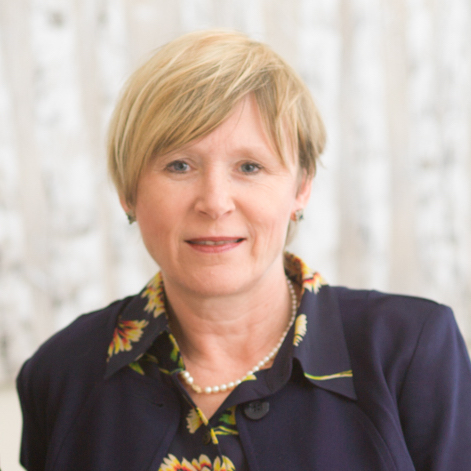
Clinical Psychologist · Adolescent & Young Adult Specialist
For 25 years, Dr. Washton has worked with adolescents and young adults navigating substance use, anxiety, depression, ADHD, and the pressures of academic achievement. Her practice specializes in families where success is expected and problems are concealed, Ivy League pipeline students, NJ independent school environments, high-achieving Princeton-area families, and the complex family dynamics that often surround a teen's substance use.
She is licensed to practice psychology in New Jersey and New York, and authorized for telepsychology in most PSYPACT states. Central NJ patients reach her through the contact form below.
"What gives real hope is that young people's brains are still plastic. If you can engage them and help them think differently about their use and how to cope, they shift much more rapidly than many adults."
Comprehensive look at our adolescent and young adult treatment approach.
Why pressure backfires and what actually works when consequences have stopped working.
Specific phrases that keep communication open, and the ones that close it instantly.
What every parent should know about adolescent drug and alcohol use.